





- Your cart is empty Browse Shop
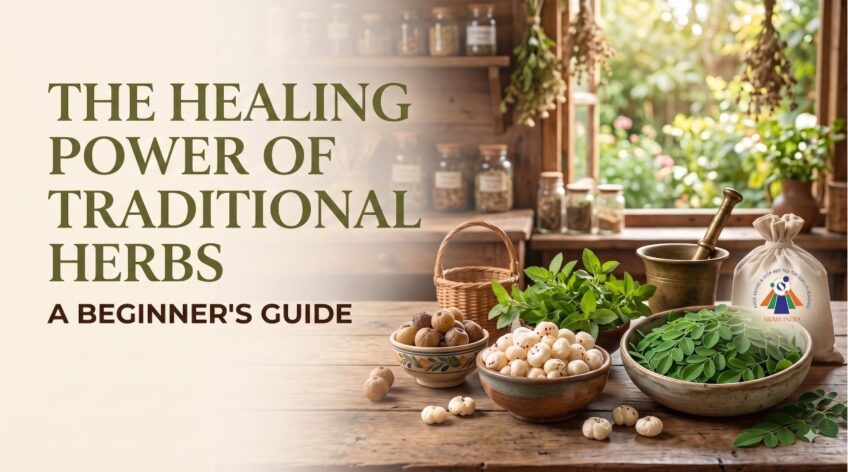
“The Healing Power of Traditional Herbs: A Beginner’s Guide”
If you are just beginning to explore the world of natural wellness, you might be wondering where to start. Welcome to The Healing Power of Traditional Herbs: A Beginner’s Guide. For centuries, ancient healing systems have relied on nature’s pharmacy to balance the body, soothe the mind, and restore vital energy. Today, as we look for more holistic and sustainable ways to maintain our health, these time-tested botanicals are more relevant than ever.
In this guide, we will explore how traditional herbal tools work and introduce you to a few foundational plants to help kickstart your wellness journey with SRAM India Ayush.
Why Choose Traditional Herbs?
Unlike many modern, isolated supplements that target just one specific symptom, traditional herbs are complex and work synergistically with your entire body. When you explore The Healing Power of Traditional Herbs: A Beginner’s Guide, you quickly learn that these plants are used to address the root cause of imbalances.
Traditional practices, particularly Ayurveda, view health as a state of complete harmony. Herbs are not just used to fix what is broken; they are daily nutritional tools used to build resilience, aid digestion, detoxify the system, and calm the nervous system before illness even begins.
Moringa (Moringa oleifera)
Often called the “Miracle Tree,” Moringa is a nutritional powerhouse celebrated for its extraordinary density of vitamins, minerals, and amino acids. In traditional practices, its leaves and seeds are used to combat systemic depletion, boost natural energy levels, and reduce cellular inflammation. Because it is exceptionally rich in antioxidants and vital nutrients like iron, calcium, and vitamin C, Moringa serves as a comprehensive daily tonic to support immune health, stabilize blood sugar, and protect cardiovascular function.
Brahmi (Bacopa monnieri)
Brahmi is one of the most revered herbs in traditional medicine for the mind and nervous system. Known as a powerful Medhya Rasayana (brain rejuvenator), it is primarily used to enhance cognitive function, improve memory retention, and promote sharp mental clarity. Brahmi works as an adaptogen to soothe the nervous system, helping the body intelligently manage stress and reduce anxiety. Its grounding properties also make it highly effective for promoting restful sleep and calming an overactive, restless mind.
Shatavari (Asparagus racemosus)
Translated playfully as “she who possesses a hundred husbands,” Shatavari is the foremost traditional rejuvenative tonic for the female reproductive system. It is a deeply nourishing adaptogen that helps balance hormones, supports natural fertility and lactation, and eases physiological transitions such as menopause. Beyond reproductive health, Shatavari is a cooling, soothing herb that heavily hydrates the body’s tissues, supports a healthy digestive tract lining, and builds core vitality and immunity, making it deeply restorative for anyone experiencing burnout or physical exhaustion.
Ashwagandha (Withania somnifera)
Revered as one of the most powerful adaptogens in traditional Ayurvedic medicine, Ashwagandha translates to “smell of the horse,” implying that it imparts the vigor and strength of a stallion. It is primarily used to help the body intelligently manage and resist physiological and psychological stress. By naturally regulating cortisol levels, Ashwagandha acts as a dual-purpose tonic: it provides a grounding, calming effect to soothe anxiety and nervous exhaustion, while simultaneously boosting core vitality, physical endurance, and sustained energy levels without the jittery effects of stimulants.
Triphala
Triphala is not a single plant, but a masterfully balanced, traditional blend of three potent fruits: Amalaki (Amla), Bibhitaki, and Haritaki. Translated simply as “three fruits,” it is the cornerstone of digestive health in traditional medicine. Triphala acts as a gentle, daily detoxifier that cleanses the gastrointestinal tract and promotes regular elimination without causing dependency or stripping the body of vital nutrients. Beyond digestion, it is incredibly rich in vitamin C and antioxidants, making it a comprehensive systemic tonic that supports immune function, healthy skin, and optimal nutrient absorption.
Conclusion: Start Your Natural Healing Journey Today
Exploring the healing power of traditional herbs is a beautiful and empowering step toward achieving holistic wellness. Whether you are looking to boost your immunity naturally, manage daily stress, or simply learn more about authentic Ayurveda, this beginner’s guide serves as your foundation. Remember that natural healing is a gradual, highly personalized journey. By incorporating time-tested herbal remedies into your daily routine, you are embracing centuries of botanical wisdom designed to balance the mind, body, and spirit.
Ready to experience the profound benefits of nature’s pharmacy? The key to success is to start small, prioritize high-quality, sustainably sourced ingredients, and listen to your body. As you explore the world of plant-based medicine, always ensure you are choosing trusted sources like SRAM India for your wellness needs.
“The art of healing comes from nature, not from the physician. Therefore the physician must start from nature, with an open mind.”
 Our FAQs
 Frequently Asked Questions About Us
1. What exactly are traditional herbs?
Traditional herbs are plants—or specific parts of plants like roots, leaves, flowers, seeds, and bark—that have been used for centuries across various cultures (such as Ayurveda and Traditional Chinese Medicine) to support overall health, prevent illness, and promote natural healing.
2. Are herbal remedies safe for beginners?
Generally, many common herbs are safe when used in moderation. However, “natural” does not automatically mean “risk-free.” Beginners should start with gentle, well-researched herbs, follow recommended dosages, and listen to their bodies.
3. Can I use traditional herbs if I am taking prescription medication?
Always consult your doctor or a qualified Ayurvedic practitioner first. Some traditional herbs can interact with prescription medications, either diluting the drug’s effectiveness or causing unwanted side effects.
4.Where should I source my herbs?
Quality matters immensely in herbalism. Look for herbs from reputable brands that prioritize organic farming, sustainable harvesting, and authentic preparation methods to ensure you aren’t consuming pesticides or heavy metals.
5.Can I give traditional herbs to children or pets?
Children and pets process substances very differently than human adults. Many herbs that are perfectly safe for adults can be toxic to pets or too strong for children. Always seek guidance from a pediatrician or veterinarian before administering any herbal remedies.